Spain's Most Beautiful Villages: A Travel Guide
- Spain visa

- Aug 9, 2024
- 6 min read
Spain is a land of contrasts, where modern cities with pulsating energy give way to tranquil villages, each offering a glimpse into a slower, more peaceful way of life. These villages, scattered across the diverse landscapes of Spain, are treasures waiting to be discovered. They whisper stories of history, culture, and the essence of a nation shaped by centuries of tradition.
The Allure of the Spanish Village
The charm of Spain’s villages lies in their ability to transport you back in time. Cobbled streets wind through centuries-old buildings, while locals go about their daily routines, seemingly untouched by the rush of modern life. The air is fragrant with the scent of blooming flowers, and the rhythm of life is dictated by the sun, the seasons, and the cycle of the harvest. Here, the architecture speaks of Moorish influence, Gothic grandeur, and Roman remnants, each telling a story of the village's past.
Frigiliana: A Whitewashed Wonder
Nestled in the hills of the Axarquía region of Andalusia, Frigiliana is the epitome of a Spanish white village. Its narrow, winding streets are lined with impeccably maintained houses, their facades a dazzling white under the Andalusian sun. This village is a labyrinth of Moorish and Mudejar architecture, where every corner reveals a new surprise—be it a charming courtyard, a hidden chapel, or a stunning view of the Mediterranean Sea.
Frigiliana is not just a feast for the eyes; it’s a place where you can feel the pulse of history. The old quarter, known as the Barribarto, is a testament to the village’s rich past. Here, you can lose yourself in a maze of alleyways that have remained unchanged for centuries, each turn revealing a piece of history etched into the walls. For those looking to immerse themselves in the local culture, the Festival of Three Cultures held every August is a celebration of Frigiliana’s Christian, Muslim, and Jewish heritage.
Cudillero: A Coastal Gem
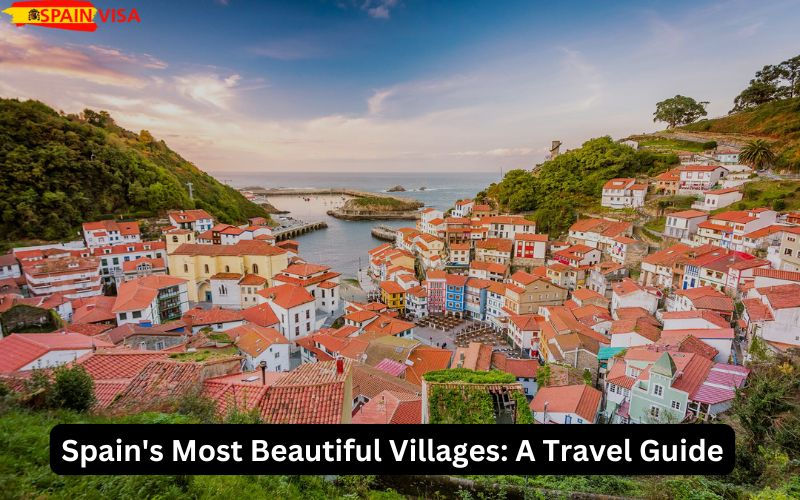
On the northern coast, where the Cantabrian Sea meets the rugged cliffs of Asturias, lies Cudillero, a fishing village that seems to cascade down the hillside towards the harbor. The brightly painted houses, stacked one above the other, create a vibrant mosaic that contrasts sharply with the deep blues and greens of the surrounding landscape.
Cudillero is a place where the sea is an integral part of life. The village’s economy has been tied to fishing for centuries, and this maritime heritage is evident everywhere—from the daily catch sold at the local market to the seafood that dominates the menus of its cozy restaurants. Walking along the harbor, you can watch the boats come and go, their movements a timeless dance dictated by the tides.
One of the most enchanting aspects of Cudillero is the way it transforms as the day progresses. In the morning, the village is quiet, with the fishermen out at sea and the locals going about their business. By midday, the streets come alive as the cafes and restaurants fill with visitors eager to sample the region’s famous seafood. And in the evening, as the sun sets and the lights twinkle on, Cudillero becomes a magical place, where the sounds of the sea are accompanied by the laughter and chatter of people enjoying the simple pleasures of life.
Albarracín: A Step Back in Time
In the heart of Aragon, perched on a rocky outcrop above the Guadalaviar River, Albarracín stands as a perfect example of a medieval Spanish village. Its narrow streets, steep alleys, and ancient stone buildings give it the feel of an open-air museum. The village is surrounded by walls that date back to the 10th century, and the towers and fortresses that dot the landscape tell of a time when Albarracín was a frontier town, guarding the kingdom of Aragon from its enemies.
Albarracín is a place where history is palpable. As you wander through its streets, you can almost hear the echoes of the past—the clatter of horses’ hooves, the rustle of medieval robes, the whispers of clandestine meetings. The village’s architecture is a blend of Romanesque and Moorish styles, with narrow windows, thick stone walls, and red-tiled roofs that seem to blend into the surrounding landscape.
One of the highlights of a visit to Albarracín is exploring its ancient cathedral and the Bishop’s Palace, both of which offer a glimpse into the village’s rich ecclesiastical history. The view from the top of the fortress is breathtaking, with the village spread out below and the rugged landscape of the Sierra de Albarracín stretching as far as the eye can see.
Valldemossa: A Tranquil Retreat
On the island of Mallorca, nestled in the Serra de Tramuntana mountains, lies Valldemossa, a village that has long been a retreat for artists, writers, and those seeking solace in its serene beauty. The village is a maze of stone houses, with cobbled streets that wind their way up the hillside, offering stunning views of the surrounding countryside.
Valldemossa is perhaps best known for its Carthusian monastery, La Cartuja, where the composer Frédéric Chopin and the writer George Sand spent a winter in the 19th century. The monastery, with its tranquil gardens and austere architecture, is a place of quiet contemplation, where you can almost feel the creative energy that inspired Chopin’s music and Sand’s writing.
The village itself is a delight to explore, with its artisan shops, cafes, and restaurants offering a taste of Mallorcan life. The surrounding mountains provide ample opportunities for hiking and exploring, with trails that lead to hidden coves, ancient olive groves, and breathtaking viewpoints.
Besalú: A Medieval Marvel
In the Catalonia region, the village of Besalú stands as a testament to Spain’s medieval past. Its most striking feature is the 12th-century Romanesque bridge that spans the Fluvià River, leading into a village that feels like it has been frozen in time. The narrow streets, stone buildings, and ancient churches of Besalú are a reminder of a time when this village was an important center of commerce and culture.
Besalú is a place where you can lose yourself in history. The village’s Jewish Quarter is particularly fascinating, with its medieval synagogue and mikvah, or ritual bath, offering a glimpse into the lives of the Jewish community that once thrived here. The cobbled streets, lined with artisan shops and cafes, invite you to take a leisurely stroll, discovering hidden courtyards and charming plazas along the way.
One of the highlights of a visit to Besalú is the opportunity to explore its rich history through guided tours and cultural events. The village hosts a medieval fair every September, where the streets come alive with the sights, sounds, and smells of a bygone era, offering a unique opportunity to experience the history of Besalú in a vibrant and immersive way.
Practical Tips for Visiting Spain's Villages
Exploring these picturesque villages requires careful planning. Some are easily accessible by car, while others may require a bit more effort to reach. It’s advisable to rent a car if you want the freedom to explore at your own pace. Public transportation options can be limited, particularly in more remote areas.
When planning your trip, remember that many villages have specific local customs and traditions, particularly regarding meal times and business hours. It’s common for shops and restaurants to close for several hours in the afternoon for siesta, so plan your day accordingly. To avoid disappointment, make sure to check opening hours in advance, especially for museums and historical sites.
If you’re coming from outside the European Union, be sure to arrange your Spain Visa Appointment well in advance. The visa process can take some time, and it’s important to have all your paperwork in order before you travel.
Staying in these villages offers a unique experience, with many options for accommodation, from charming guesthouses to boutique hotels. Booking in advance is recommended, particularly during peak travel seasons. Take the opportunity to stay in a traditional Spanish casa rural, where you can experience local hospitality and enjoy home-cooked meals made with fresh, local ingredients.
Conclusion
Spain’s villages are more than just destinations; they are experiences that offer a window into the soul of the country. Each village has its own unique character and charm, shaped by its history, geography, and the people who call it home. Whether you’re drawn to the whitewashed beauty of Frigiliana, the coastal charm of Cudillero, the medieval splendor of Albarracín, the tranquil retreat of Valldemossa, or the historical intrigue of Besalú, these villages promise to enchant and inspire, offering a journey into the heart of Spain that you will remember long after you’ve returned home.


Comments